TL;DR
- On April 2, 2026, the CFTC and the U.S. Department of Justice (DOJ) sued the state of Illinois to block the enforcement of state gambling laws against prediction markets.
- Arizona and Connecticut are also involved in the legal conflict.
- Total trade in prediction markets exceeded $60 billion in 2025 — a 400 percent increase from 2024.
- Analysts believe the case could reach the U.S. Supreme Court as early as 2027.
Federal Regulator vs. States
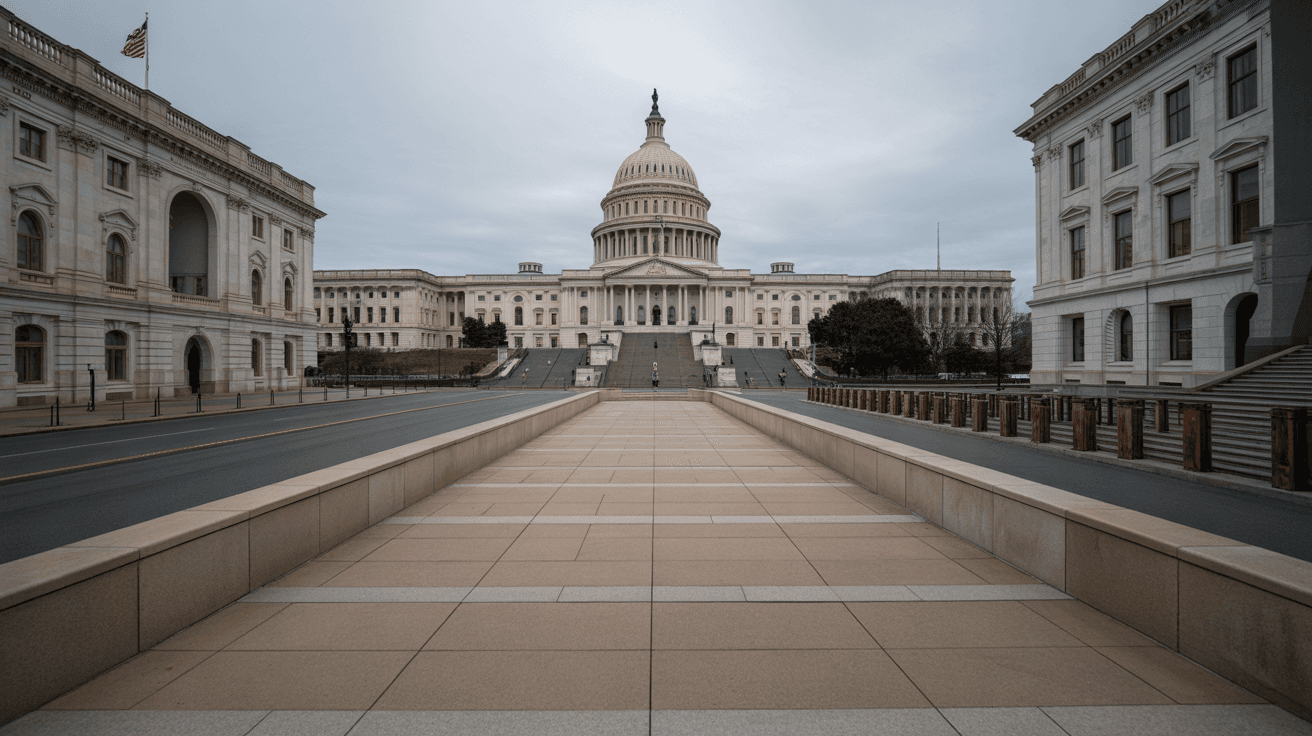
The U.S. Commodity Futures Trading Commission (CFTC) and the federal Department of Justice (DOJ) took the drastic step on April 2, 2026, of suing Illinois Governor JB Pritzker and the state itself, according to The Block. The purpose is to prevent Illinois from applying its gambling laws against platforms operating under federal regulation.
Illinois is not the only state in the spotlight. Both Arizona and Connecticut have been drawn into the legal proceedings, and the conflict reflects a deeper struggle over who truly has the authority to regulate a growing and complex industry.
"We will no longer stand idly by while overzealous state governments undermine the agency's exclusive jurisdiction over these markets." — CFTC Chairman Michael Selig

The Core of the Dispute: Derivative or Gambling?
The CFTC asserts that contracts on prediction markets are "swaps" or "futures" under the federal Commodity Exchange Act (CEA), which grants them exclusive regulatory authority. Platforms registered with the CFTC as "Designated Contract Markets" (DCM) therefore argue that federal law takes precedence over state gambling legislation.
The states see it differently. They argue that these platforms are, in practice, operating unlicensed gambling that circumvents state rules and tax collection. Arizona took the furthest step when the state, in March 2026, filed criminal charges against the prediction market platform Kalshi, alleging illegal gambling activities. A judge in Ohio recently ruled that prediction markets are subject to the state's gambling rules — directly contradicting a Nevada court's conclusion in Kalshi's favor.

Platforms at the Center
Two platforms dominate the debate. Kalshi, registered as a DCM with the CFTC, has been particularly active in legal challenges against state regulation. According to research material, about 90 percent of the platform's contracts during the NFL season were sports-related — a point opponents use to argue that this is sports betting under another name. The company's value reportedly reached $22 billion after a funding round led by Coatue Management.
Polymarket is another key player. Intercontinental Exchange (ICE), the parent company of the New York Stock Exchange, has, according to research, announced an additional $600 million investment in the platform, on top of a billion-dollar commitment from October 2025.
Congress and Lawmakers on the Field
Parallel to the legal proceedings, Congress is attempting to intervene. Senators John Curtis (R-Utah) and Adam Schiff (D-California) introduced a bipartisan bill in March 2026 called "The Prediction Markets Are Gambling Act," which would prohibit CFTC-registered entities from offering contracts resembling sports betting or casino games.
Schiff was direct in his criticism: "Sports contracts are sports betting — just by another name. And yet these contracts are offered in all fifty states in clear violation of state and federal law."
Another bill, called "Public Integrity in Financial Prediction Markets Act," aims to prohibit public officials and federal employees from trading on prediction markets using non-public information.
Insider Trading: A Growing Enforcement Problem
CFTC's Director of Enforcement, David Miller, emphasized in March 2026 that insider trading in prediction markets is illegal and will be actively pursued. The agency issued an advisory in February 2026 confirming its authority to investigate and prosecute the misuse of non-public information under the CEA.
Federal prosecutors in Manhattan are reportedly already in talks with DCM platforms about potential violations.
Could End in the Supreme Court
Analyst David Katz at Jefferies points out in research material that prediction market companies currently operate with far fewer restrictions than the traditional gambling industry, but these contradictions are likely to escalate. He estimates that the case could reach the U.S. Supreme Court as early as 2027.
Legal partner Gabriel Rosenberg at Davis Polk summarizes the situation: The CFTC will continue its regulatory work with prediction markets until it is clear that Congress will act.
Eleven states have already introduced legislation on prediction markets in 2026, and an equal number have issued "cease and desist" letters or initiated enforcement actions. The battle over who owns this regulatory framework is far from over.