TL;DR
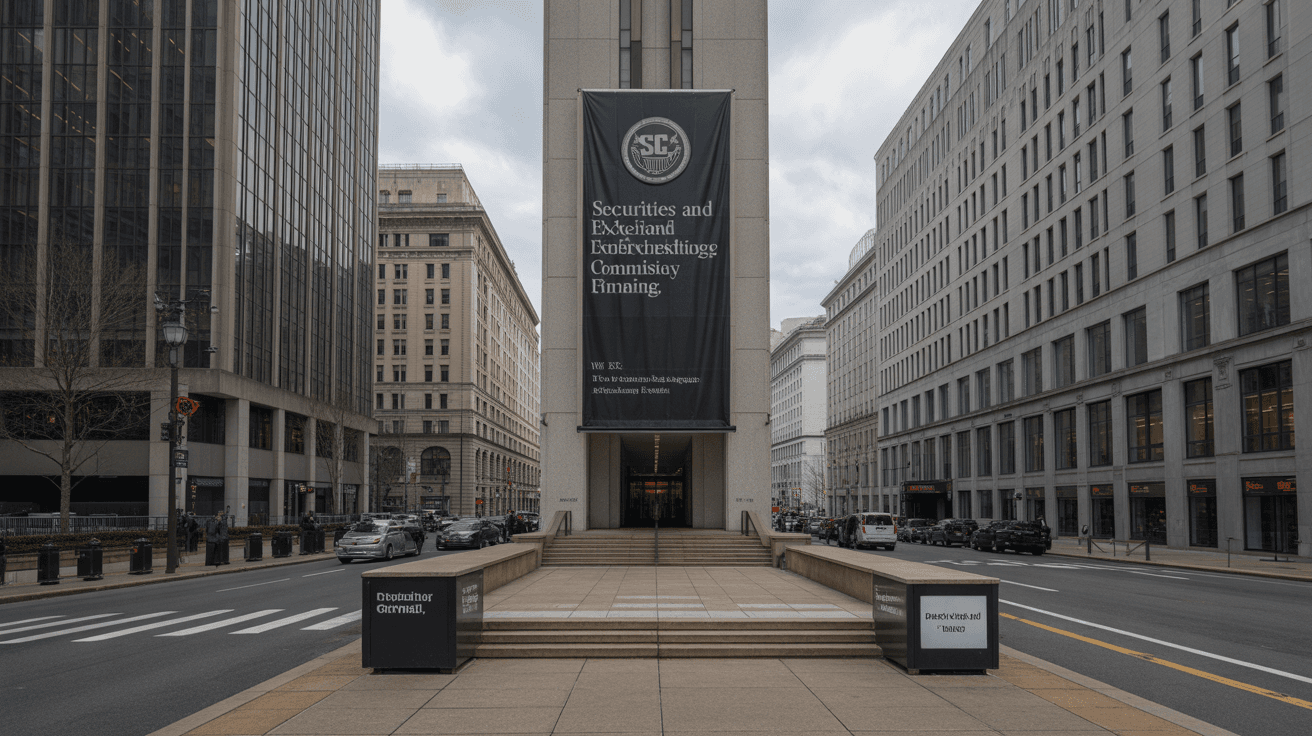
- The SEC approved a rule change on March 18, 2026, allowing Nasdaq to trade tokenized securities in a limited pilot program.
- Tokenized shares are fully fungible with regular shares — same ticker, CUSIP, and shareholder rights.
- The pilot includes companies in the Russell 1000 index as well as ETFs tracking the S&P 500 and Nasdaq-100.
- The approval comes as the SEC and CFTC presented a joint crypto classification stating that most digital assets are not securities.
Nasdaq to Test Tokenized Shares
The US stock market regulator SEC approved a rule change on March 18, 2026, granting Nasdaq permission to pilot trading of tokenized versions of selected shares and exchange-traded funds (ETFs), according to Decrypt. The pilot program is designed within existing market infrastructure and is not intended to introduce new market risks.
The approval came after Nasdaq originally submitted the proposal in September 2025. The SEC justified the approval by stating that the proposal meets current regulatory requirements designed to protect investors and maintain orderly markets.

How the System Works Technically
The tokenization itself occurs through the Depository Trust Company (DTC), which handles post-trade settlement. According to research material, DTC utilizes the Canton blockchain as its technical foundation. Market participants can choose to settle trades in tokenized form by specifying this during order registration.
Nasdaq has emphasized that the core infrastructure — order types, routing strategies, trading sessions, and market data feeds — remains unchanged. Surveillance systems from Nasdaq and FINRA will monitor both traditional and tokenized securities using the same underlying data.
Tokenized shares share the ticker symbol and CUSIP number with ordinary shares and provide identical shareholder rights, including voting rights and dividends.
Partnership with Kraken and European Exchange
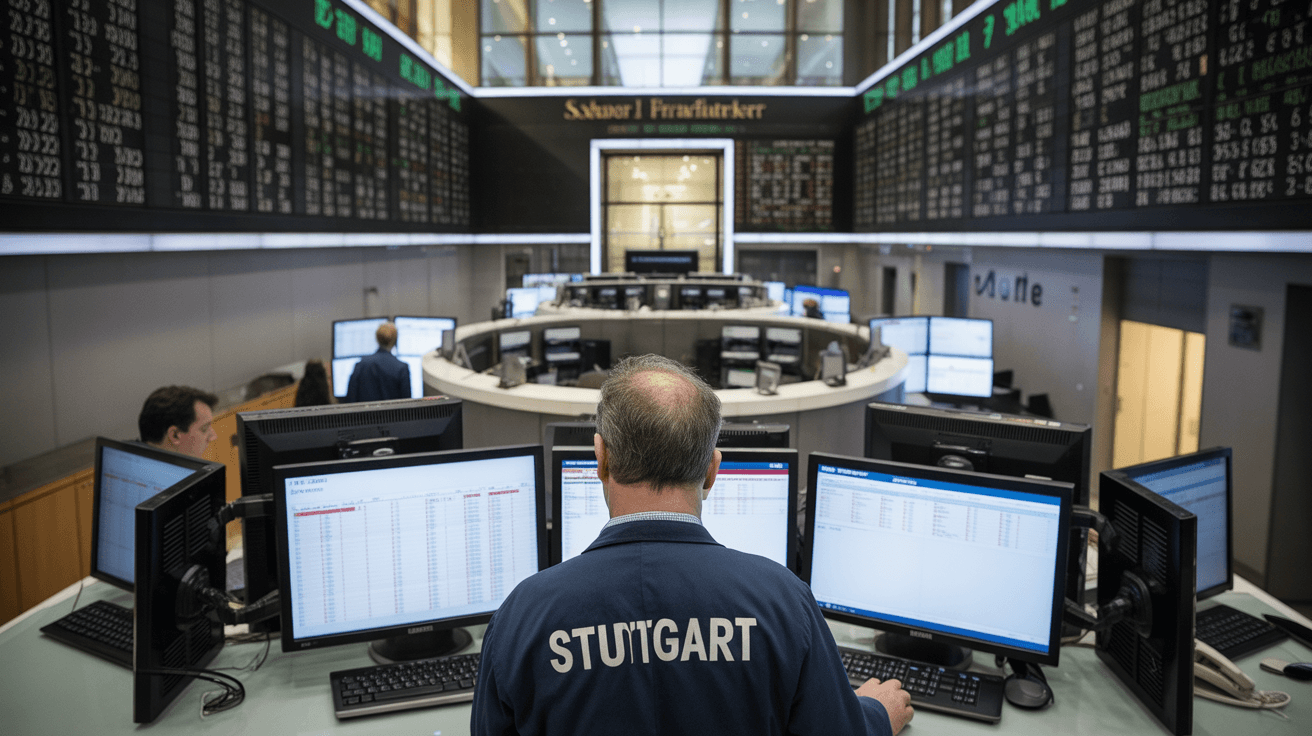
Nasdaq has partnered with Payward — the parent company of crypto exchange Kraken — to enable trading of tokenized shares between traditional markets and blockchain networks via Payward's xStocks platform. Additionally, Nasdaq is collaborating with Boerse Stuttgart's Seturion to connect with European trading venues and build cross-national bridges between institutional markets and open DeFi networks.
Nasdaq CEO Adena Friedman has pointed out that tokenization “allows us to view collateral as far more mobile,” and that shorter settlement cycles will, over time, reduce systemic risk. Currently, the pilot operates with standard T+1 settlement, but more immediate settlements are a long-term goal.
SEC and CFTC Established Joint Framework the Day Before
The approval of the Nasdaq pilot follows the SEC and CFTC's joint interpretive statement published on March 17, 2026, which classifies crypto assets into five categories: digital commodities, digital collectibles, digital utilities, payment stablecoins, and digital securities.
The latter category precisely includes tokenized shares and bonds — securities that remain under SEC oversight even when they exist on a blockchain. SEC Chair Paul Atkins stated in this regard that the interpretive framework is intended to provide market participants with “clear lines with clear words” after more than ten years of regulatory uncertainty, according to the SEC's official press release.
Policy Shift from the Gensler Era
The regulatory approach under Atkins differs significantly from his predecessor Gary Gensler's tenure, which was characterized by frequent enforcement actions and claims that the vast majority of cryptocurrencies were securities. Commissioner Hester Peirce, known as “Crypto Mom,” has over time encouraged entities exploring tokenization to engage early with regulators, and she has warned that tokenizing a security could create a “receipt for a security” that is itself subject to securities laws.
It is important to note that while the frameworks represent a clearer and more inviting regulatory tone, the pilot is still limited in scope. Whether tokenized securities will actually change market structure in the long term remains to be seen — and industry participants should not interpret the approval as a general free pass.
What Happens Next?
According to Decrypt and Bitcoin Magazine, the pilot opens the door for tokenized shares to be integrated with DeFi platforms and international settlement systems in the longer term. Nasdaq representatives have indicated that equity assets on a blockchain have the potential to be used in entirely new ways — but that the specific opportunities are currently under development.
For market participants, the transition is described as minimally disruptive: back-end system adjustments are expected to be minimal for everyone except DTC itself, according to Nasdaq.