TL;DR
- The SIREN token fell 85 percent in a single trading day after its listing on Binance
- Analysts suggest insider trading and possible money laundering, according to CryptoPotato
- Binance has previously been subject to similar accusations related to NEIRO, DWF Labs, and Sigma Chain
- Bitcoin is trading around $68,700 in a markedly risk-averse market with a Fear & Greed Index of 8/100
The SIREN Collapse: What Happened?
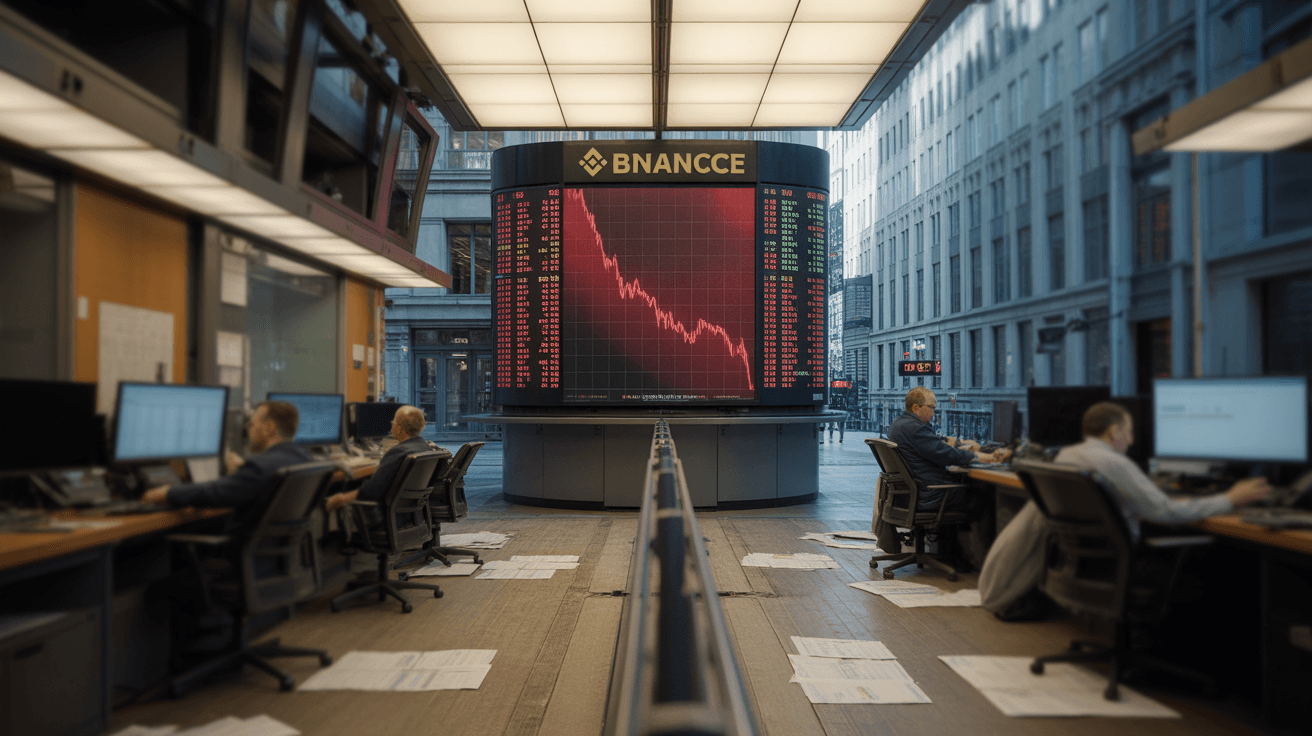
The meme-coin SIREN experienced a dramatic price collapse of 85 percent in a single trading day after it was listed on Binance. The crash immediately sparked speculation about whether it involved coordinated market manipulation, according to the crypto media outlet CryptoPotato.
An anonymous analyst quoted by CryptoPotato used harsh words about the incident:
"This is pure money laundering for some, or playing against one's own users while holding all insider information"
The claim has not yet been confirmed by independent sources, and Binance has not publicly commented on this specific matter at the time of publication. It is important to emphasize that accusations of insider trading and market manipulation in this case remain unconfirmed.

Exchange Listing as a Price Shock Trigger
Research on the effect of crypto exchanges shows a consistent pattern: New tokens experience an average 54 percent price increase upon listing on major centralized exchanges. Around 37 percent of these tokens reach their all-time high precisely on the listing day – and then fall.
For Binance specifically, analyses have shown an average price increase of 41 percent on the first trading day. The subsequent correction, however, can be brutal, especially for meme-coins with little fundamental backing.
A fall of 85 percent far exceeds a normal correction and is not in itself proof of manipulation, but it does raise questions.
Binance and a Long History of Accusations
This is not the first time Binance has found itself in a storm. According to available documentation and media coverage, the exchange has repeatedly faced accusations of market abuse:
In November 2023, Binance admitted to violating U.S. anti-money laundering regulations and paid a fine of $4.3 billion to U.S. authorities. Then-CEO Changpeng Zhao resigned and was later sentenced to four months in prison.
Binance, for its part, consistently claims to have strict ethical guidelines and robust monitoring, stating that it has removed nearly 355,000 users with over $2.5 trillion in trading volume for terms violations in the last three years.
Market Context: Extreme Fear
The collapse occurs in a market characterized by extreme fear. The Fear & Greed Index stands at 8 out of 100 – near a historical low – and Bitcoin is trading around $68,700. In such a climate, meme-coins with weak liquidity are particularly vulnerable to sudden price movements, making it harder to distinguish between natural market volatility and potential manipulation.
What Happens Next?
For investors left with SIREN tokens after the collapse, the event is a reminder of a classic pattern: Tokens listed on major exchanges can experience an immediate ATH followed by a violent fall. Studies show that 76 percent of tokens delisted between 2014 and 2021 resulted in total losses for investors.
Whether the SIREN collapse will be further investigated by regulators or internally by Binance remains to be seen. 24Krypto is following the case.