
TL;DR
- Former Mt. Gox CEO Mark Karpelès proposes a Bitcoin hard fork to recover approximately 79,956 BTC stolen in the 2011 hack
- The value of the dormant funds exceeds $5.2 billion at current rates
- The proposal involves a one-time rule allowing disbursement via a specified Mt. Gox recovery address
- The Bitcoin community is deeply skeptical — and fears of undermining the blockchain's core principle of immutability are significant
Karpelès Addresses the Last Open Wound
Twelve years have passed since Mt. Gox initiated its bankruptcy proceedings, and now its former CEO believes it's time to clean up what remains. On February 27, 2026, Mark Karpelès presented a proposal for a Bitcoin hard fork with a very specific goal: to move nearly 80,000 BTC that have remained untouched at a known theft address since the 2011 hack, according to Cointelegraph.
The funds, currently worth over $5.2 billion, are located at the address 1Feex...sb6uF and have not moved in over 15 years.
This is likely the last unresolved point in the entire Mt. Gox case, according to Karpelès.

How the Proposal is Technically Structured
The core of Karpelès' proposal is to add a specific consensus rule to the Bitcoin protocol. The rule would allow the frozen funds to be spent using a signature from a dedicated Mt. Gox recovery address — an address already part of the court-supervised rehabilitation process.
Karpelès is clear that this is not intended as a general mechanism to reverse transactions, but as a one-time hardcoded exception for a unique historical case with clearly identified victims and an existing legal framework.
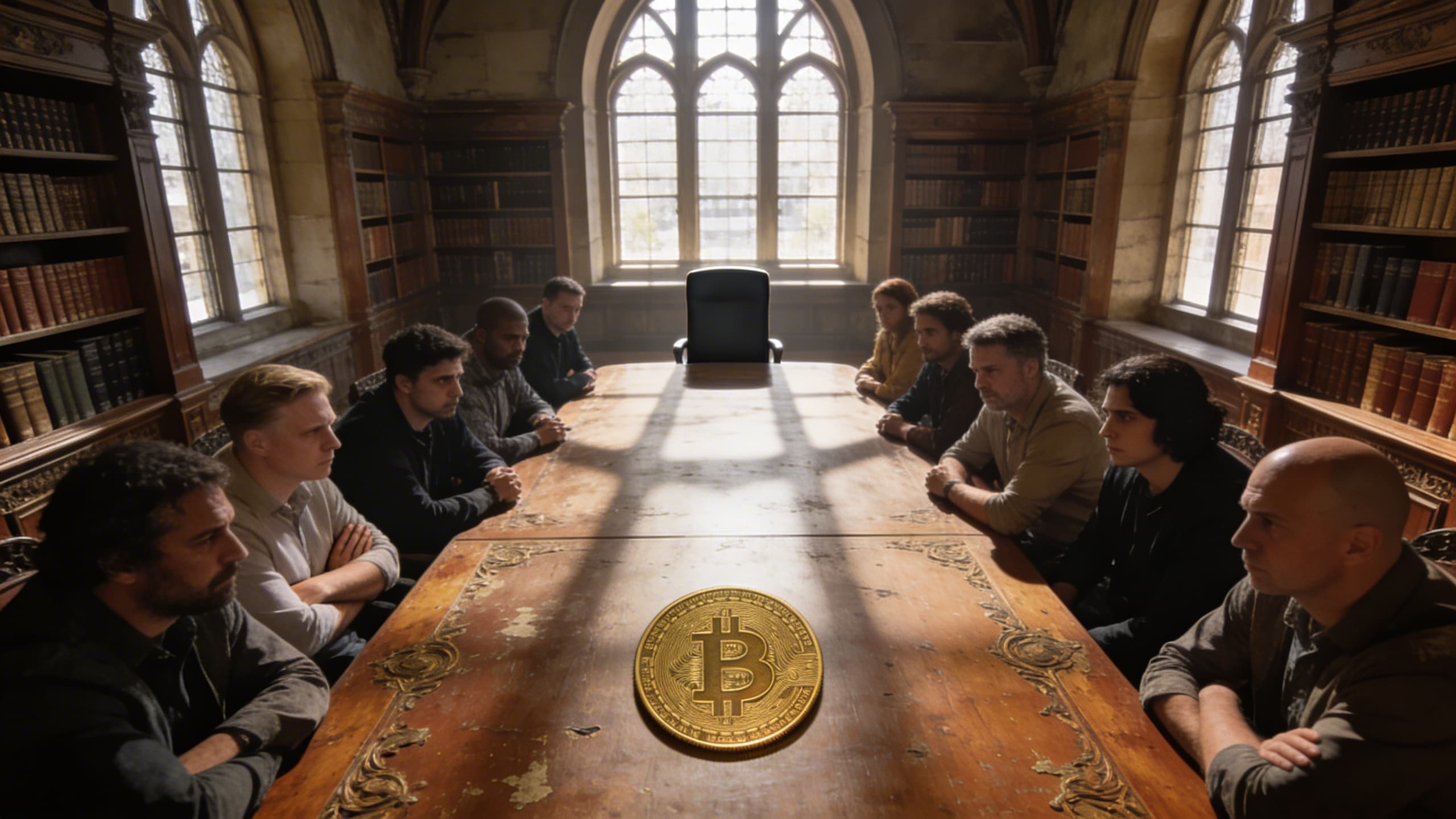
The Bitcoin Community Recoils
The reactions from the broader Bitcoin community are predictable, but no less powerful. The blockchain's immutability — the principle that confirmed transactions cannot be reversed — is one of Bitcoin's most fundamental characteristics and a cornerstone of the argument for Bitcoin as a store of value.
Critics warn that even a "one-time exception" sends dangerous signals: who decides what is morally righteous enough to warrant a protocol intervention? Jameson Lopp, co-founder and CTO of Casa, has previously argued in similar debates that vulnerable funds should rather be made inaccessible to everyone, rather than opening the door to human discretion at the protocol layer.
The Ethereum Precedent Looms Over the Debate
In 2016, Ethereum underwent a hard fork in the wake of the DAO hack, where approximately $50–100 million in ether was stolen. The fork rolled back the blockchain and resulted in a chain split: Ethereum on one side and Ethereum Classic on the other — with the latter adhering to the "code is law" principle.
That history is well-known among Bitcoin veterans, and many see it as a cautionary tale rather than a model. The Bitcoin community is historically far more conservative than the Ethereum community when it comes to protocol changes.
Technical and Consensus-Based Mountain to Climb
Although the proposal is philosophically controversial, the practical path to implementation is at least as demanding. A hard fork requires broad consensus among developers, mining operators, and node runners. Without sufficient support, there is a risk of precisely what Karpelès himself admits in the proposal: a chain split.
Historical attempts to implement major protocol changes in Bitcoin — such as the block size debate that ended with Bitcoin Cash — show that even technically motivated proposals can split the network and create long-lasting turbulence.
What Happens Next?
As of now, Karpelès' proposal is a discussion paper, not a formal Bitcoin Improvement Proposal (BIP). Whether it will move further in the process depends on the response from the core developer community — and so far, there is little indication of widespread enthusiasm.
The Mt. Gox case has already taken over a decade to handle legally and logistically. Creditors who have long awaited settlement will follow this debate closely — but the path from idea to consensus in the Bitcoin network is rarely short.
Sources: Cointelegraph