
TL;DR
Wall Street Embraces Tokenized Equities
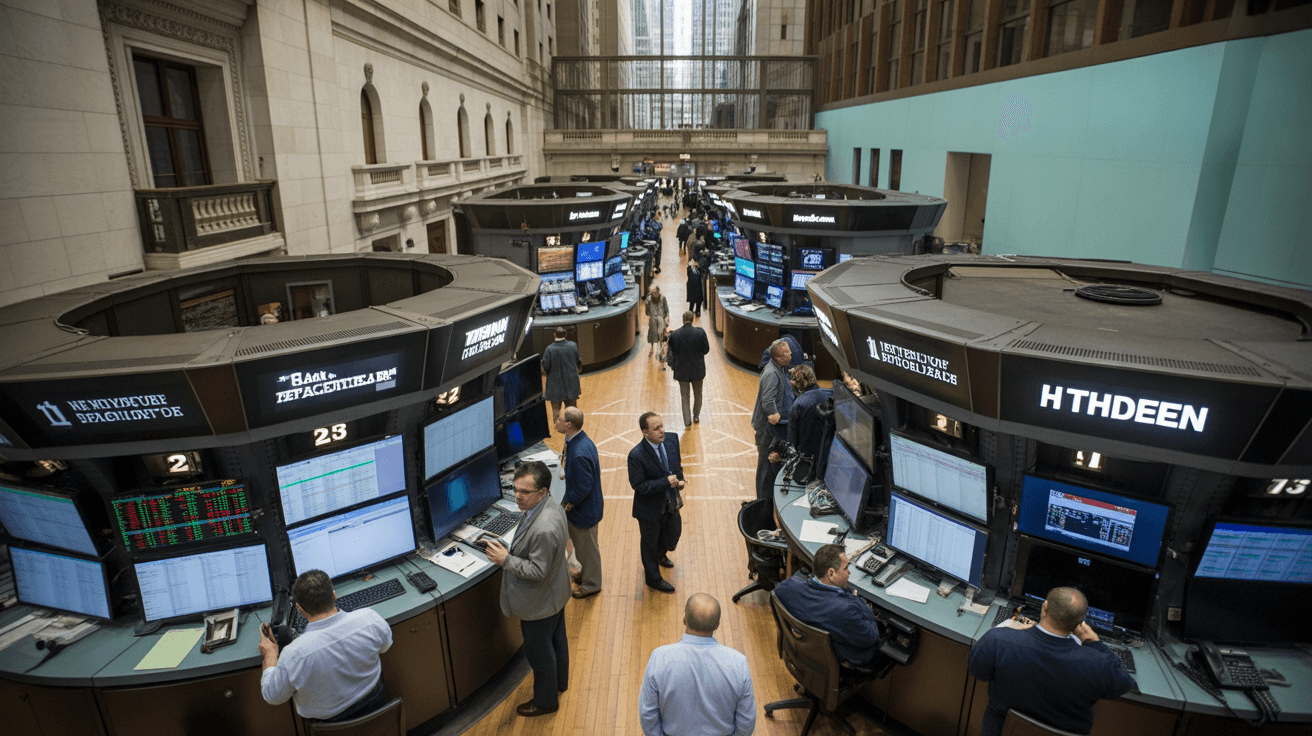
The two most powerful exchange operators in the world are now moving towards the same goal: to shift global stock trading onto the blockchain. According to CoinDesk, this is no longer an experiment on the fringes of the financial industry – it's a race to become the very backbone of future capital markets.
The global stock market has an estimated total value of $126 trillion. Tokenizing even a fraction of this represents a paradigm shift in how securities are issued, traded, and settled.

Nasdaq and Kraken Build Joint Infrastructure
On March 9, 2026, Nasdaq announced a partnership with Payward – the parent company of crypto exchange Kraken – to develop what is described as an “equities transformation gateway.” The platform will connect tokenized equity market solutions directly to decentralized blockchain networks.
The partnership builds on Kraken's xStocks framework, which has already processed over $25 billion in transactions, with more than $4 billion settled directly on-chain. The platform currently has over 85,000 unique users across supported networks.
“Tokenization has the potential to unlock the benefits of an always-on financial ecosystem – and improve how investors access markets,” says Nasdaq President Tal Cohen
Old Problem, New Solution
Traditional markets grapple with a number of structural weaknesses that have persisted for decades. The settlement time for stock trades is typically three days (T+3), which ties up capital and creates counterparty risk. European capital markets are also highly fragmented across different legal frameworks and infrastructure providers, according to research.
Nasdaq has been working with distributed ledger technology since 2015, when the company launched Linq – a platform for private securities registration via blockchain. Even then, Nasdaq estimated that the technology could reduce settlement times from three days to about ten minutes.
New Framework Coming in 2027
Nasdaq is now working on a dedicated framework for equity tokens, which is scheduled to become operational in the first half of 2027. The framework is designed to preserve issuer control, existing regulatory structures, and shareholder rights such as voting rights and dividends.
In September 2025, Nasdaq submitted a tokenization proposal to the US financial regulator SEC, suggesting that equity securities – including issuer-sponsored tokens – should be tradable on Nasdaq's markets and settled in token form via the clearinghouse DTCC.
However, such regulatory approval is not yet in place, and it is important to emphasize that the timelines and cost estimates presented are based on industry forecasts, not guaranteed outcomes.
Rival and Partner Simultaneously
The race for what is called the “everything exchange” creates a paradoxical situation: traditional exchange operators and crypto exchanges are now both competitors and collaborators. Nasdaq needs Kraken's blockchain infrastructure; Kraken needs Nasdaq's regulatory legitimacy and market access.
Roland Chai, Head of Digital Assets at Nasdaq, points out that European capital markets are particularly ripe for transformation: fragmentation limits the region's competitiveness, and tokenization, according to him, can address inefficiencies in settlement and securities processes – without sacrificing the regulatory stability on which markets are built.
What Happens Next?
With a framework planned for H1 2027 and an active SEC dialogue, this is no longer speculation. But the path from ambition to functioning infrastructure in a $126 trillion market is long, and regulatory approval is not a given. Market participants should closely follow the SEC process in the coming months.
Source: CoinDesk, March 15, 2026