TL;DR
Battle Over Digital Dollar Intensifies
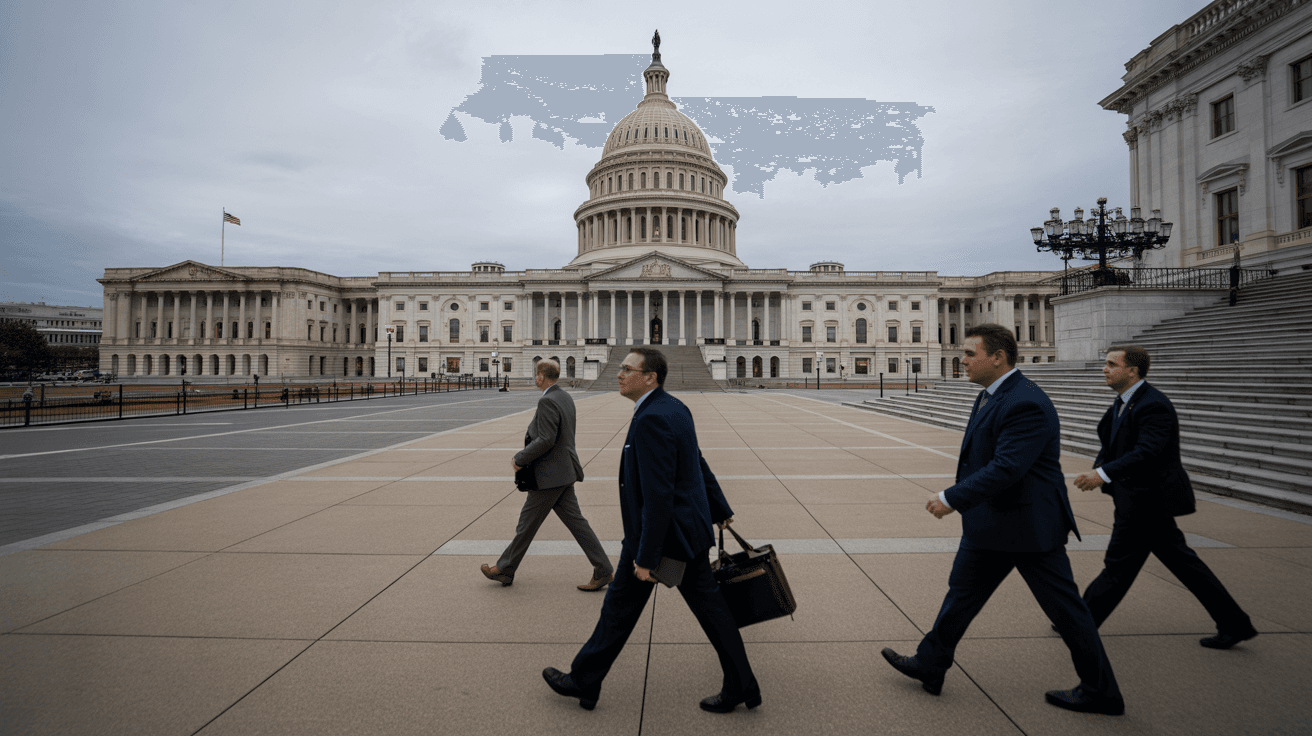
A coalition of 29 U.S. members of Congress has sent a letter demanding that a ban on a federal digital currency be made permanent. The group, led by Representative Michael Cloud, describes a potential central bank digital currency (CBDC) as “inherently anti-American” and warns that it would open the door to what they call unconstitutional financial surveillance, according to Bitcoinist.
The letter marks a new phase in the ongoing dispute on Capitol Hill over whether the Federal Reserve should ever issue a digital dollar — and whether Congress should close that possibility for good.

Privacy and Government Control at the Core of the Debate
The dominant concern among opponents is privacy. Lawmakers fear that a programmable, government-issued digital currency would give authorities the ability to monitor individuals' transactions and, ultimately, control citizens' spending.
Representative Tom Emmer (R-Minn.), who previously introduced the “CBDC Anti-Surveillance State Act,” has argued that a state-controlled CBDC — if not designed to mimic cash — could in practice give federal authorities tools to stifle politically unpopular activity. Senator Mike Lee (R-UT) cited China's digital yuan as a cautionary example, noting that Chinese authorities in early trials reportedly canceled citizens' digital money after a set period, forcing residents to spend their savings on the state's terms.
“Unelected bureaucrats should never be allowed to trade Americans' financial privacy for a CCP-style surveillance tool” — Rep. Tom Emmer
It is emphasized that these are political claims from opponents of CBDC, not neutrally confirmed by independent institutions.

Federal Reserve and Banking System Under Fire
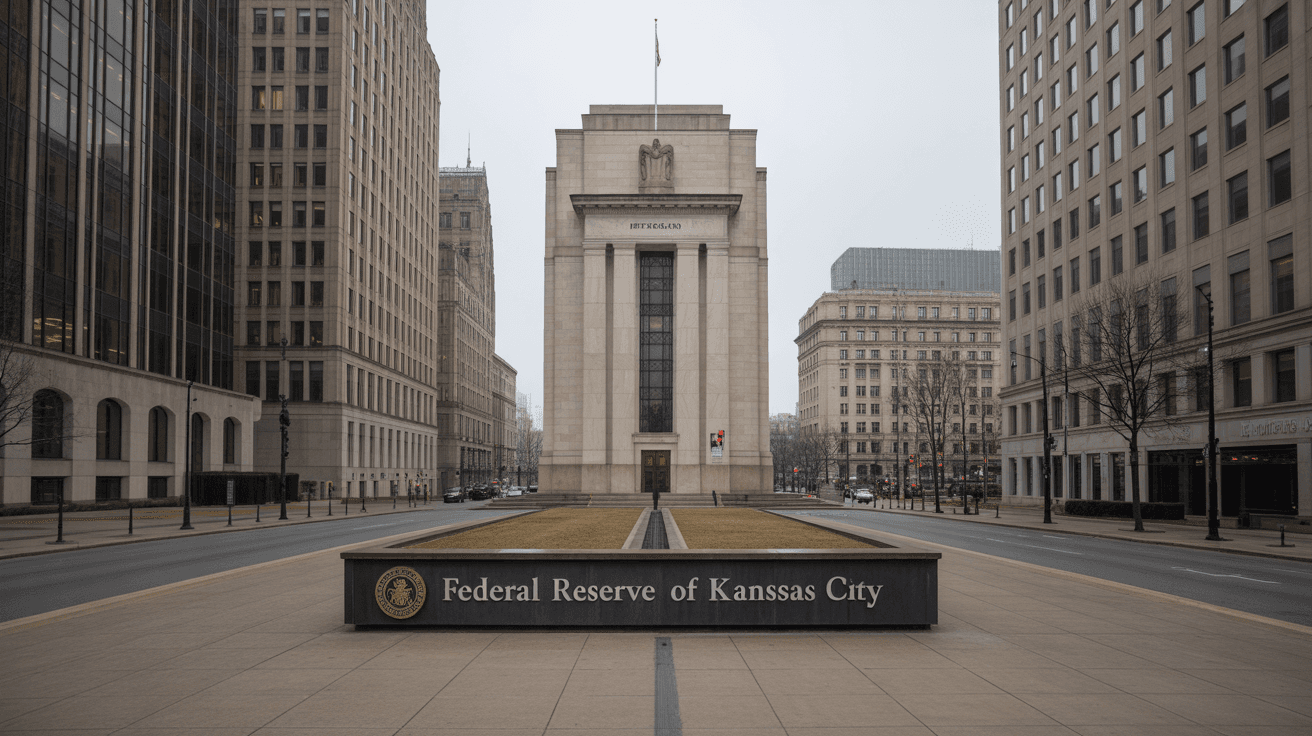
Another key concern is that a digital dollar would give the Federal Reserve a role as a direct competitor to private banks. Senator Ted Cruz (R-TX) has argued that a CBDC could potentially turn the central bank into a retail bank, which would undermine the existing private banking system.
The Independent Community Bankers of America (ICBA) advocacy group has warned that a CBDC issued by the Federal Reserve would weaken local and regional banks, reduce access to credit, and further undermine consumer privacy, according to research material.
Stablecoins Chosen as Alternative
In practice, the U.S. legislative process has already moved in a different direction. The passage of the “GENIUS Act” in July 2025 — which regulates private, dollar-backed stablecoins — signals a political course where market-driven solutions are preferred over a government-issued digital currency. Critics of CBDC see this as a victory, while proponents of central bank digital currencies believe the discussion is far from over.
There are also voices on the other side of the debate. Representative Stephen Lynch (D-Mass.) has introduced the ECASH Act, which outlines a digital dollar designed to maximize privacy and financial inclusion — without government surveillance. Eswar Prasad, a professor at Cornell University, nevertheless acknowledges that privacy will be a real challenge even with well-designed central bank digital currencies.
What Happens Next?
The original bill to block a digital dollar did not pass the Senate as a standalone proposal but has now become a central point of contention in a broader congressional battle. With 29 representatives now pushing for a permanent shutdown, and a political climate marked by strong skepticism towards government digital currency, much indicates that a U.S. CBDC will for now remain a theoretical discussion rather than a political reality.
The source of the story is Bitcoinist, a website with an editorial line generally positive towards cryptocurrency and skeptical of CBDCs. Readers should take this into consideration when evaluating the source material.