TL;DR
- Custodia Bank lost 7–3 in the appeals court and will not get direct access to the Fed's payment system
- The court confirmed that the Federal Reserve has full discretionary authority to grant or deny master accounts
- Kraken was granted a limited master account by the Kansas City Fed on March 4, 2026 — as the first crypto firm ever
- The two companies both applied in October 2020 as Wyoming-chartered SPDIs, but ended with diametrically opposite results
Five years of litigation — and a final no
Custodia Bank, the Wyoming-based crypto banking company founded by Caitlin Long, has seen one of the crypto industry's longest legal battles come to an end. A federal appeals court voted 7 to 3 to uphold the Federal Reserve's right to deny the company a so-called master account — the direct access to the Fed's payment infrastructure that all ordinary banks in the US have, according to The Block.
The Kansas City Fed formally denied Custodia's application in January 2023, citing that the company's business model was “novel and unprecedented” and largely concentrated on crypto activities in a way that posed risks “with a high probability incompatible with sound banking operations.”
“Denying a master account is like a death sentence for a bank” — Judge Timothy Tymkovich, in dissent
Custodia filed a lawsuit, arguing that the Monetary Control Act of 1980 granted state-chartered banks a statutory right to master account access. Neither lower courts nor now the appeals court have accepted this view. The court ruled that the Fed banks retain full discretion over who is granted access.

Kraken succeeded where Custodia failed
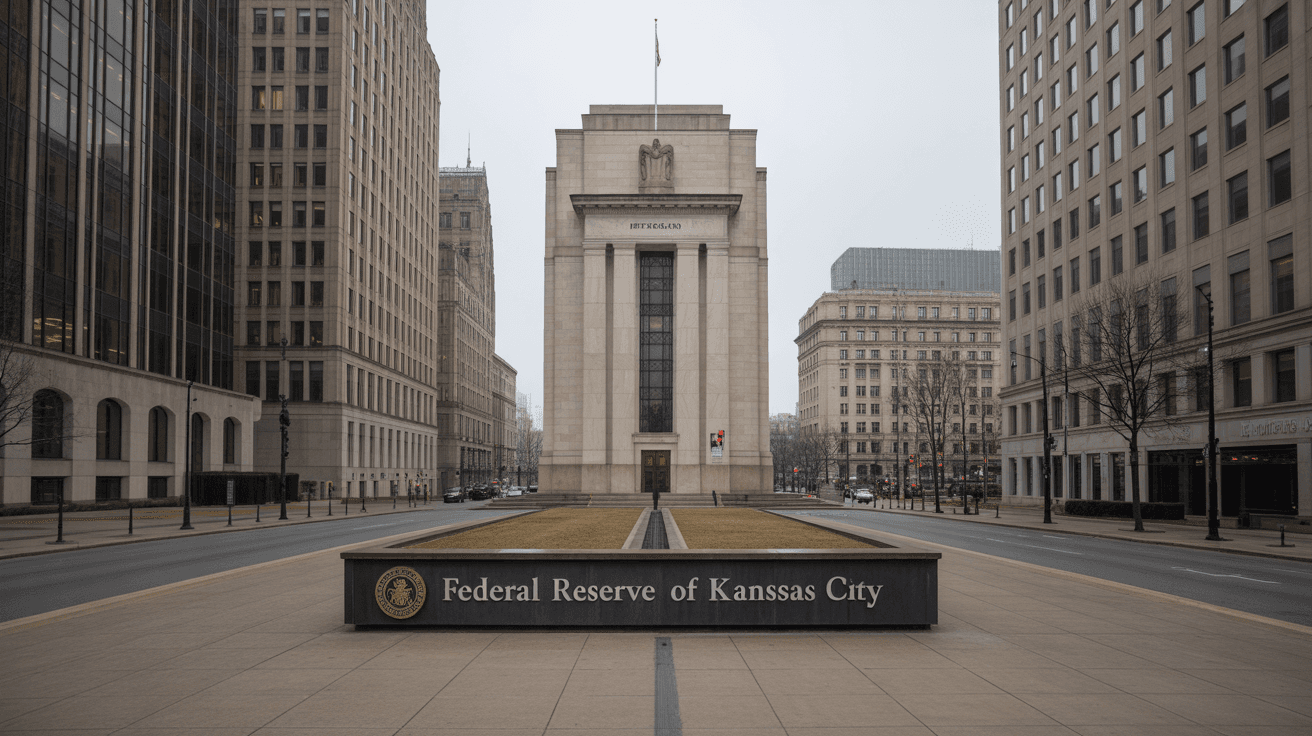
The irony of the timing is hard to overlook: just days before the ruling against Custodia was announced, the exact same regional central bank — the Kansas City Fed — granted a limited master account to Kraken Financial, according to The Block. This is the first time a crypto firm has achieved such direct access to the Fed's payment system.
Kraken co-CEO Arjun Sethi described the approval as “the convergence of crypto infrastructure and government financial rails,” according to The Block. Michele Alt, co-founder and managing director of Klaros Group, called the approval “a bombshell” and noted that many in the industry were waiting for formal guidelines for limited master accounts before such permission was granted.

What distinguished the two applications?
Both companies operate under the same legal framework and applied to the same regional Fed bank just days apart. Yet, they ended up in completely different places.
The central difference appears to lie in how the Federal Reserve assessed the underlying risk profile. Custodia was explicitly rejected with reference to a business model that was too narrow and too crypto-focused. Kraken, despite being a crypto firm, underwent the strictest level of review — Tier 3 — and was ultimately found acceptable under this framework.
Another important difference is the type of access involved: Kraken received a limited account without full access to all banking services. Custodia sought full access and argued for a statutory right to all Fed services — an argument the courts have consistently rejected.
Changing regulatory landscape
The case illustrates that access to fundamental financial infrastructure is still far from automatic for crypto companies, even in a political climate that, under the Trump administration, has been significantly more crypto-friendly than before. A discretionary approval process gives the Fed great power to decide which actors are admitted to the payment system — and which are kept out.
For Custodia, the ruling means the company must continue to use intermediate correspondent banks for its settlements, which affects both costs and operational efficiency.
Kraken's breakthrough, however, could open doors. The industry's eyes are now on whether the Fed will establish clearer formal guidelines for limited master accounts, and whether other crypto players will try to follow in Kraken's footsteps.