TL;DR
- HKMA has awarded the first two stablecoin licenses in Hong Kong to HSBC and Standard Chartered
- The licenses are issued under the Stablecoins Ordinance, which came into effect on August 1, 2025
- 36 entities applied for a license — only two were selected in this first round
- Licensed issuers must, among other things, maintain 100% reserve backing at all times
Two Banking Giants Stand Out in the Field
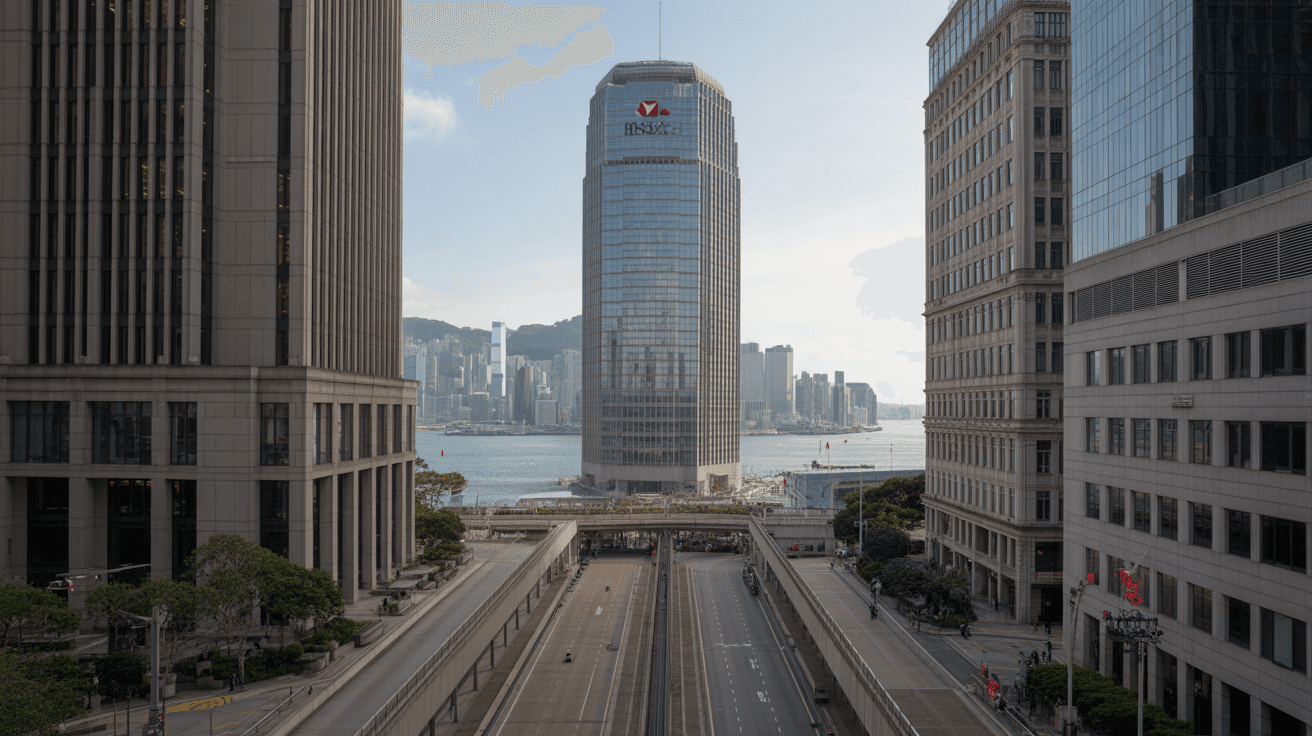
Hong Kong's central bank, HKMA (Hong Kong Monetary Authority), has named its first two official stablecoin issuers: the British banking giants HSBC and Standard Chartered. This was reported by The Defiant. The decision marks the culmination of a competitive process where 36 applicants vied for licenses under the new regulatory framework for fiat-referenced stablecoins.
The fact that two established major banks secured the initial licenses is a clear signal of the direction Hong Kong wishes to take: controlled, institutionally anchored, and closely integrated with existing financial infrastructure.
Stablecoins Ordinance: The Framework Behind the Licenses
The licenses are issued in accordance with the Stablecoins Ordinance, which the HKMA introduced on August 1, 2025. The regulations establish strict requirements for all entities wishing to issue fiat-referenced stablecoins (FRS) in Hong Kong — or outside Hong Kong if the stablecoin is linked to the Hong Kong dollar (HKD).
According to HKMA documentation, the requirements for licensed issuers are among the strictest in the world:
From Sandbox to Full Regulation
Prior to the formal enactment of the law, the HKMA had already run a pilot program where selected entities could test stablecoin issuance in controlled environments. When the Stablecoins Ordinance came into effect in August 2025, existing issuers were given a transition period until October 31, 2025, to submit formal license applications — with the possibility of temporary licenses until February 1, 2026.
Now, with the first permanent licenses in place, Hong Kong is effectively the first major financial center in Asia with a fully operational and legally established stablecoin regime.
What Does This Mean for the Market?
The selection of HSBC and Standard Chartered is not surprising given the heavy institutional requirements of the regulations. The demand for local operations, fit-and-proper assessments of key personnel, and strict reserve management naturally favors entities with existing compliance infrastructure and capital strength.
For the remaining 34 applicants — which likely include a number of fintech companies and crypto exchanges — it remains to be seen whether the HKMA will award more licenses in future rounds, or if the threshold has been deliberately set high to limit the number of approved issuers on a permanent basis.
In a market where the global crypto sentiment index (Fear & Greed) currently stands at 16 out of 100, and Bitcoin is trading around $72,900, Hong Kong's regulatory progress represents one of the clearer constructive signals in an otherwise subdued market landscape.
Hong Kong Positions Itself Against Singapore and the EU
With this step, Hong Kong solidifies its position as one of the leading regulatory jurisdictions for digital assets in Asia, in direct competition with Singapore and in line with the EU's MiCA regime, which sets similar requirements for asset-referenced tokens in Europe. Whether the two new licenses will serve as a springboard for broader stablecoin adoption in the region will become clear in the coming months.