TL;DR
- The CLARITY Act passed the House of Representatives in July 2025 with solid bipartisan support but has since stalled in the Senate
- The bill aims to draw clear lines between the SEC and CFTC and create three categories for digital assets
- The April deadline is seen as critical for XRP and Ripple's future in the U.S. market
- The market is nervous: Bitcoin is trading around $68,000, and the fear-and-greed index shows 11 out of 100
Senate Has Little Time — And Much to Decide
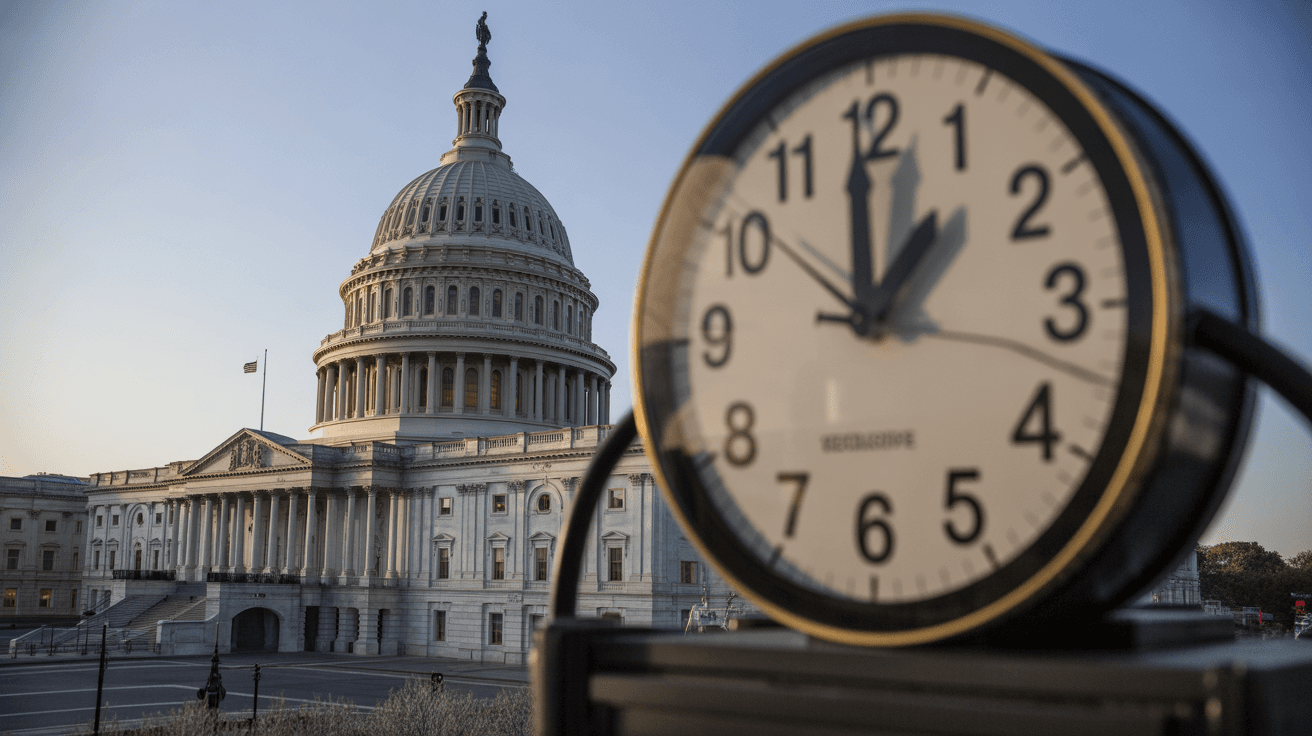
As of Tuesday, April 7, 2026, less than three weeks remain in what many in the crypto industry describe as a crucial political period for the sector. According to CryptoNews, the CLARITY Act is at a critical juncture in the U.S. legislative process — without a vote in the Senate, the bill risks falling into political limbo once again.
The Digital Asset Market Clarity Act of 2025 — better known as the CLARITY Act — passed the House of Representatives on July 17, 2025, with a bipartisan vote of 294 to 134. Since then, the bill has been pending in the Senate Banking Committee without coming to a vote.
Without clear rules, the U.S. crypto market continues to operate in a regulatory gray area that serves neither the industry, investors, nor regulatory authorities.
What Will the CLARITY Act Actually Do?
The core of the bill is to resolve an old and contentious jurisdictional question: should crypto assets be regulated by the SEC or the CFTC?
As designed, the CLARITY Act divides digital assets into three categories:
- Digital commodities — subject to CFTC oversight
- Investment contract assets — subject to SEC
- Approved payment stablecoins — separate regulatory framework
For XRP and Ripple, the categorization is crucial. The SEC and Ripple have fought a prolonged legal battle over precisely this question: is XRP a security or a commodity? Clear legislative text would, in principle, render such lawsuits superfluous in the future.

Competition from Other Bills
The Senate is not without alternatives to the CLARITY Act. The Responsible Financial Innovation Act (RFIA) was launched as a discussion draft by the Senate Banking Committee shortly after CLARITY passed the House. RFIA is narrower in scope and grants the SEC more discretionary authority to classify digital assets — which is not popular with large parts of the industry.
Additionally, in January 2026, the Senate Agriculture Committee introduced the Digital Commodity Intermediaries Act (DCIA), which builds on the CLARITY Act but focuses specifically on CFTC-regulated intermediaries and spot markets.
The only crypto law that has actually been passed and signed is the GENIUS Act for stablecoins, which became law in July 2025.
Critics Warn of Weakened Investor Protection
Not everyone agrees that the CLARITY Act is a good solution. Consumer Reports and the organization Better Markets have both criticized the bill for prioritizing regulatory predictability for the industry at the expense of consumer protection. Critics particularly point out that the CFTC does not have an explicit consumer protection mandate like the SEC does, and that a transfer of oversight to the CFTC could make individuals more vulnerable to fraud and market manipulation.
These concerns will, in all likelihood, shape the Senate's consideration of the bill — and may be one of the reasons why the process has dragged on.
What Happens Next?
Market sentiment is tense. Bitcoin is trading around $68,286, and the extreme fear level in the market suggests that investors are holding their breath. The April period will, in all likelihood, provide an indication of whether the U.S. is ready to adopt comprehensive crypto regulation — or if the industry must live with uncertainty for yet another session.
For XRP and Ripple, the outcome could mean the difference between operating within a predictable regulatory framework and continuing in a legal gray area. However, analysts warn against basing investment decisions solely on legislative predictions — political processes are notoriously unpredictable, and confidence in prediction markets has reportedly fallen in recent weeks, according to CryptoNews.