TL;DR
Lummis: Tax Halts Bitcoin as a Means of Payment
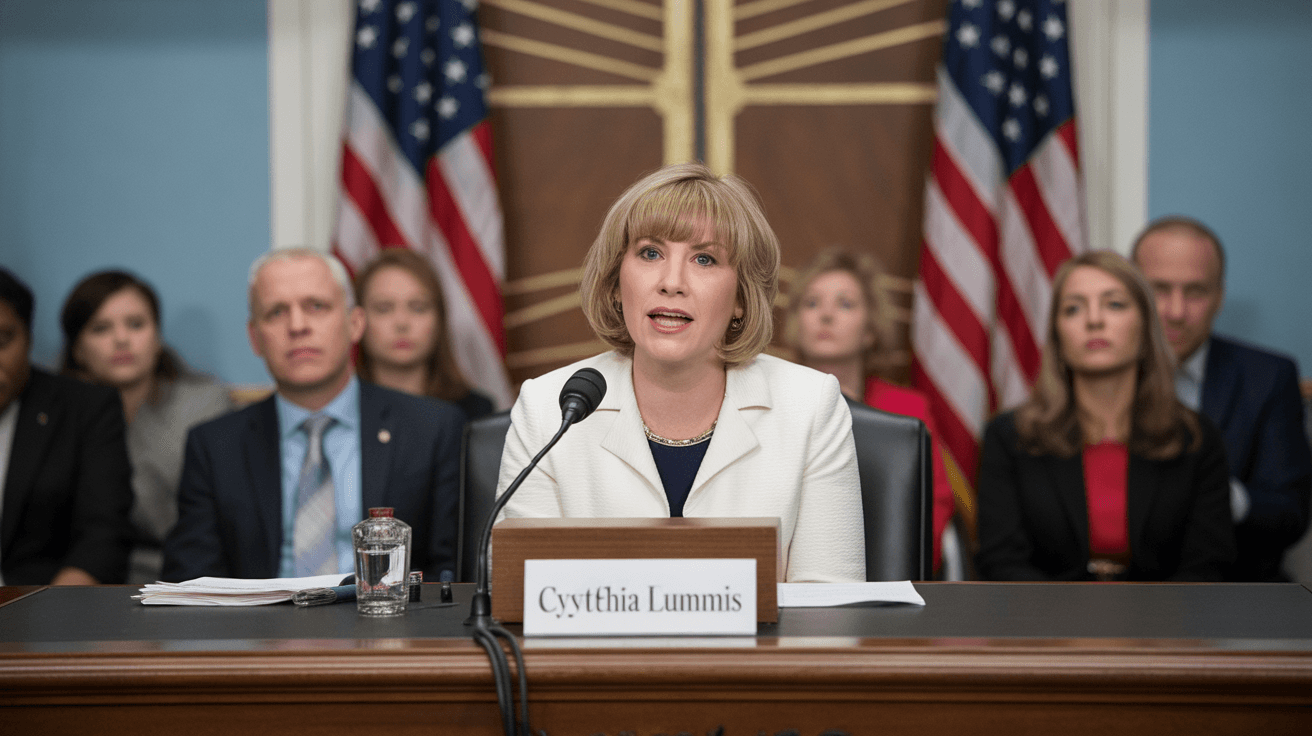
Republican Senator from Wyoming, Cynthia Lummis, confirmed on March 5 in an interview on CNBC's Squawk Box that active discussions are underway in the U.S. Congress to change the tax treatment of Bitcoin used for payments. According to Lummis, the current capital gains tax is the primary obstacle to Bitcoin functioning as a real means of payment in everyday life, reports Bitcoinist.
As regulations stand today, any use of Bitcoin to purchase goods or services triggers a taxable event. This means that an American using BTC to pay for a cup of coffee technically has to report and pay tax on the gain between the purchase price and the price at the time of payment. The administrative burden this entails for ordinary consumers makes Bitcoin an impractical payment tool in practice.
The capital gains tax is the primary obstacle to Bitcoin functioning as a real means of payment in everyday life

What's Being Discussed in Congress
Lummis pointed out that lawmakers are looking at solutions involving a threshold-based exemption rule — meaning that small transactions below a certain amount would be exempt from tax. Details regarding the threshold amount and scope have not been disclosed, and no concrete legislative proposal has been presented to date. 24Krypto reminds that statements from individual politicians about ongoing discussions are not the same as adopted policy.
How Other Countries Do It
The U.S. is far from alone in struggling with this issue, but a number of countries have already implemented more pragmatic solutions:
Germany at one time exempted crypto gains from tax if the assets were held for over 12 months. For sales within one year, gains are only taxable if they exceed 600 euros per year.
Portugal has, since 2023, introduced a 28 percent flat tax on short-term gains, while assets held for over 365 days remain tax-free in most cases.
Singapore has no capital gains tax, which practically exempts long-term crypto investors — but active trading is treated as business income.
El Salvador, which recognizes Bitcoin as legal tender, has 0 percent capital gains tax on crypto for individuals and businesses with the correct license.
These examples show, according to research material gathered by 24Krypto, that there are a number of established models to draw inspiration from.
Market in Risk-Off Mode
The news comes during a period where the crypto market is in a clear risk-off regime. Bitcoin is trading around $68,316 as of March 6, 2026, and the Fear & Greed Index shows 18 out of 100 — a level indicating extreme fear among investors. Regulatory progress from Lummis and like-minded politicians could, in such a climate, potentially represent positive catalysts in the longer term, although the short-term market impact of political statements should be interpreted with caution.
What Happens Next?
Congress has previously considered similar proposals without them being enacted. The "Virtual Currency Tax Fairness Act" has been introduced in various forms since 2017, but without success. Lummis now signaling active discussions may indicate increased political will — especially in light of the generally more crypto-friendly sentiment in Washington after the 2024 election. It remains to be seen, however, whether these discussions materialize into concrete legislation.