TL;DR
- The SEC has submitted a new interpretive framework to the White House, which is currently at a "prerule" stage.
- The framework could introduce a "token taxonomy" distinguishing between digital commodities, collectibles, utilities, and tokenized securities.
- Only tokenized securities would explicitly fall under SEC regulation if the proposal is adopted.
- The interagency review means that both the CFTC and other authorities can influence the final outcome.
SEC Delivers Framework for Crypto Securities
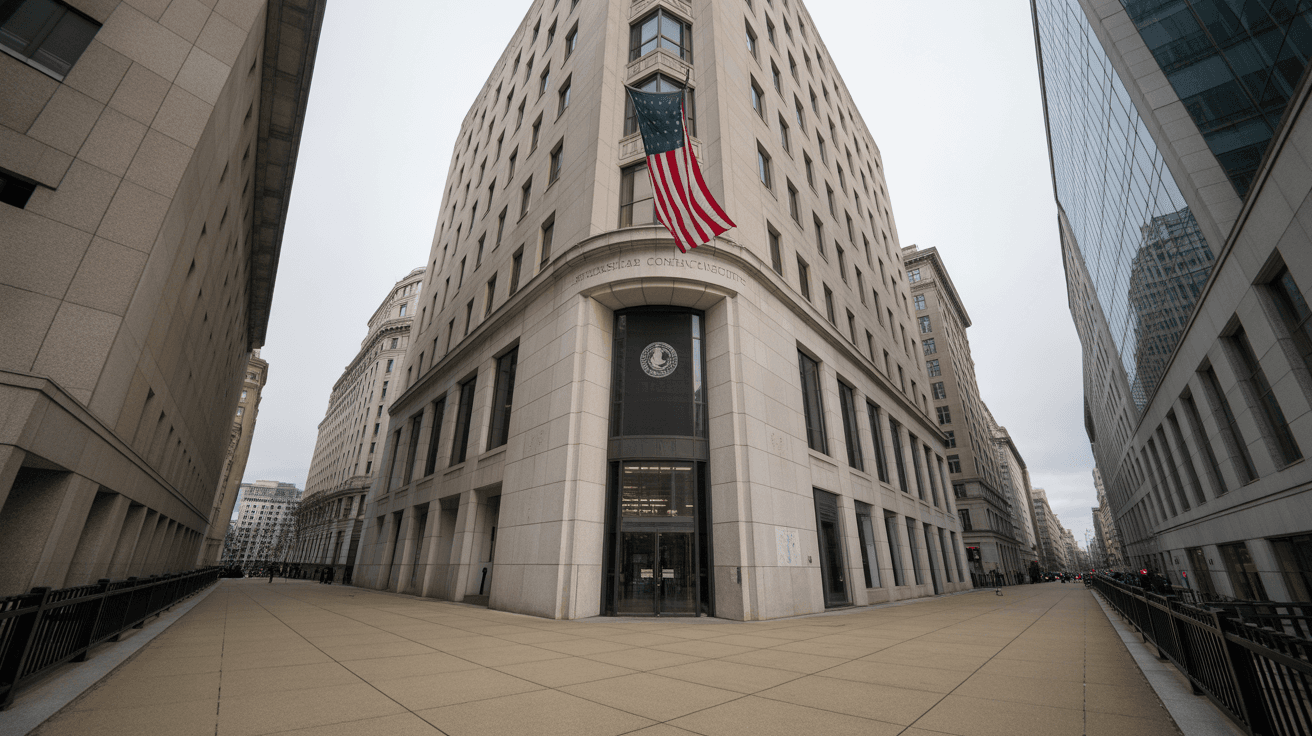
The U.S. Securities and Exchange Commission (SEC) has submitted what is described as commission-level interpretive guidance — titled «Commission Interpretation on Application of the Federal Securities Laws to Certain Types of Crypto Assets» — to the White House, according to The Block. The document is now undergoing an interagency review process and remains at an early prerule stage.
This means that the framework does not yet have legally binding force but signals that the SEC aims to clarify which crypto assets actually fall under existing securities legislation.

Token Taxonomy: Four Categories Could Define the Future
According to research material, the SEC's proposed framework appears to operate with a kind of «token taxonomy,» dividing crypto assets into four categories:
- Digital Commodities (e.g., Bitcoin and Ethereum, over which the CFTC already claims jurisdiction)
- Digital Collectibles (NFT-like assets)
- Digital Utilities (utility tokens)
- Tokenized Securities (the only ones explicitly falling under the SEC)
A key point in the proposed framework is that a token's regulatory status can change over time — an asset currently classified as a security could, in principle, «grow out» of that category.

Jurisdiction Dispute Between SEC and CFTC
The framework comes at a time when the SEC and CFTC have long argued over who has oversight responsibility for the crypto sector — a struggle the industry often refers to as a «turf war.» The CFTC has asserted that Bitcoin and Ethereum are commodities under the Commodity Exchange Act, while the SEC, under former director Gary Gensler, claimed that the «vast majority» of crypto tokens are securities.
In late 2025, the two agencies announced a joint harmonization initiative — called «Project Crypto» by the SEC and «Crypto Sprint» by the CFTC — which aims to coordinate surveillance data and enforcement information, among other things. Current SEC Director Paul Atkins and CFTC Chairman Michael Selig are both described as positively inclined towards increased regulatory cooperation, according to research material.
What Happens Next?
An interpretive framework at the prerule stage is not final regulation. The interagency review means that other authorities — potentially including the Treasury Department and the CFTC — can provide input and demand changes before the document is potentially published or sent for formal consultation.
Both SEC and CFTC leadership have, according to available information, acknowledged that existing legislation is poorly suited for digital assets, and both parties have urged Congress to pass more comprehensive crypto legislation with clearer jurisdictional boundaries.
For now, the market is nervous: Bitcoin is trading around $72,000 with a Fear & Greed Index of 22 out of 100 — well into «extreme fear» territory.
Sources: The Block, SEC research via internal research material